Alvaro Diaz
Honestly, it's definitely worth going to try the Wagyu burger.
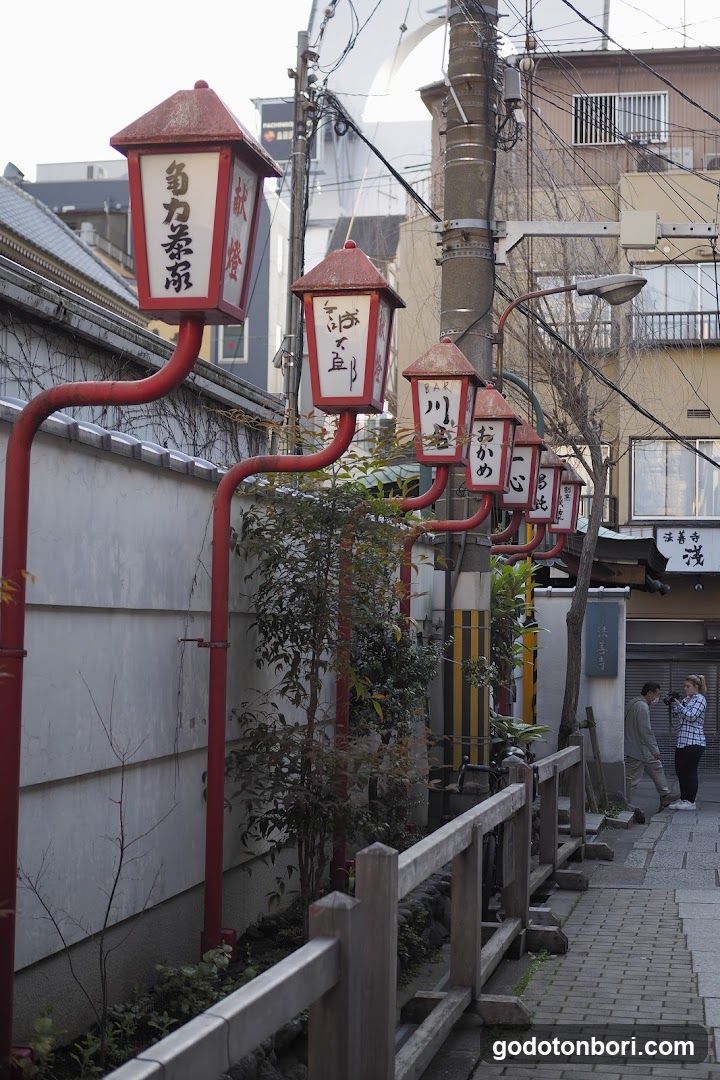
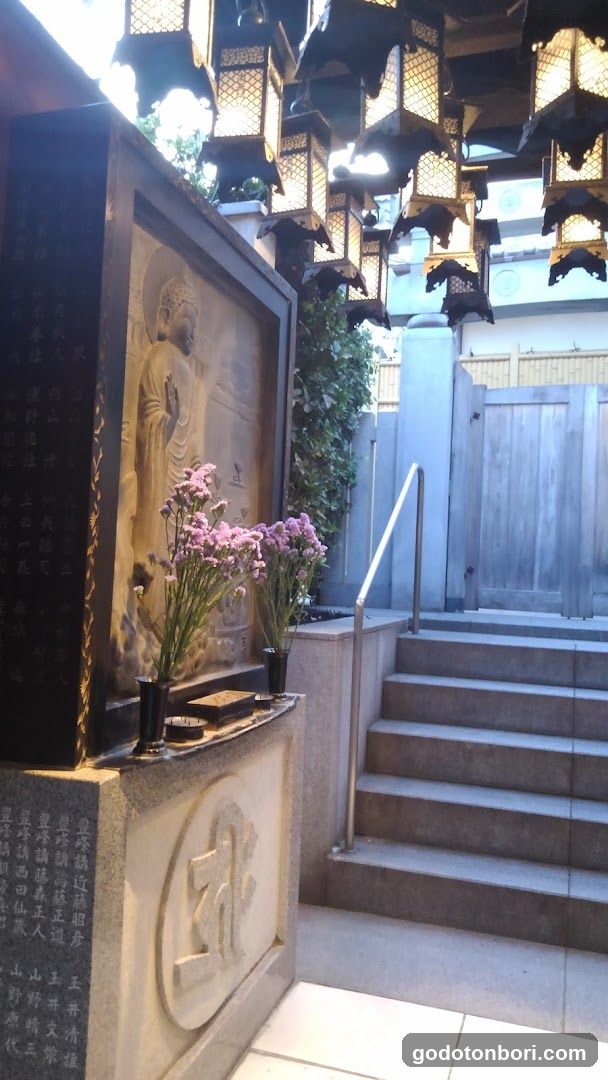
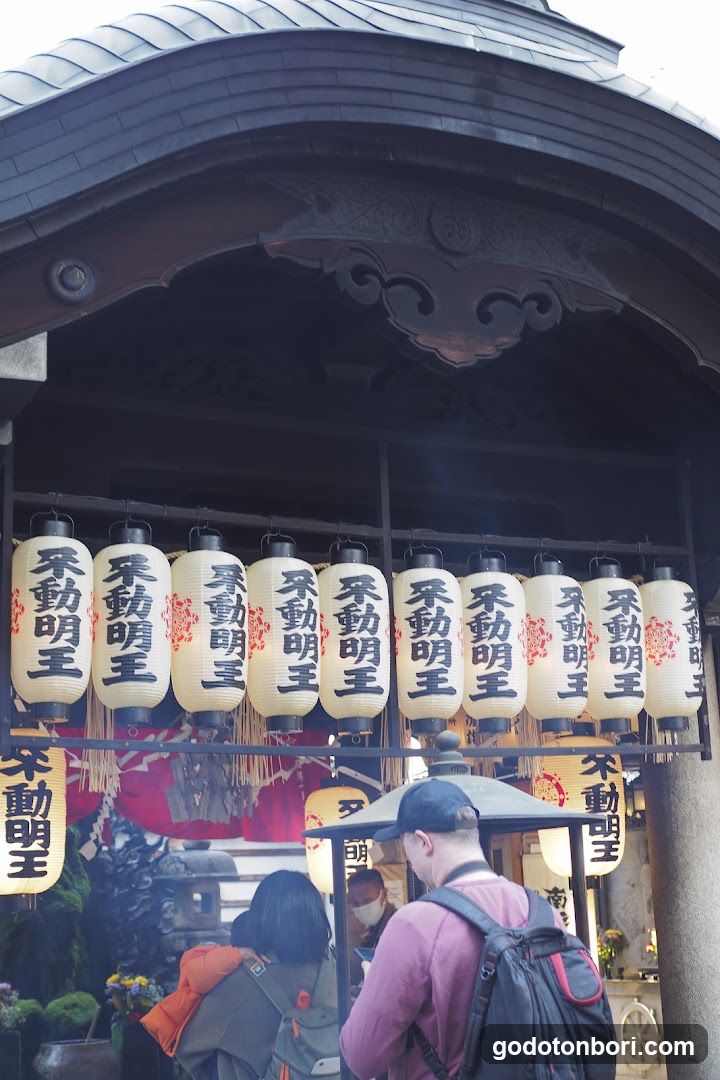
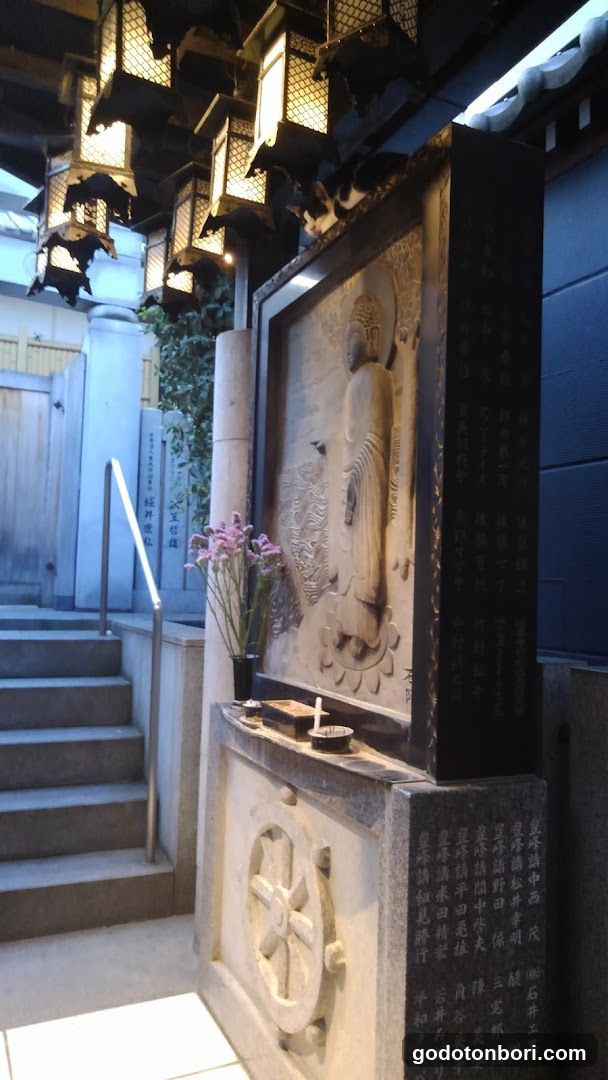
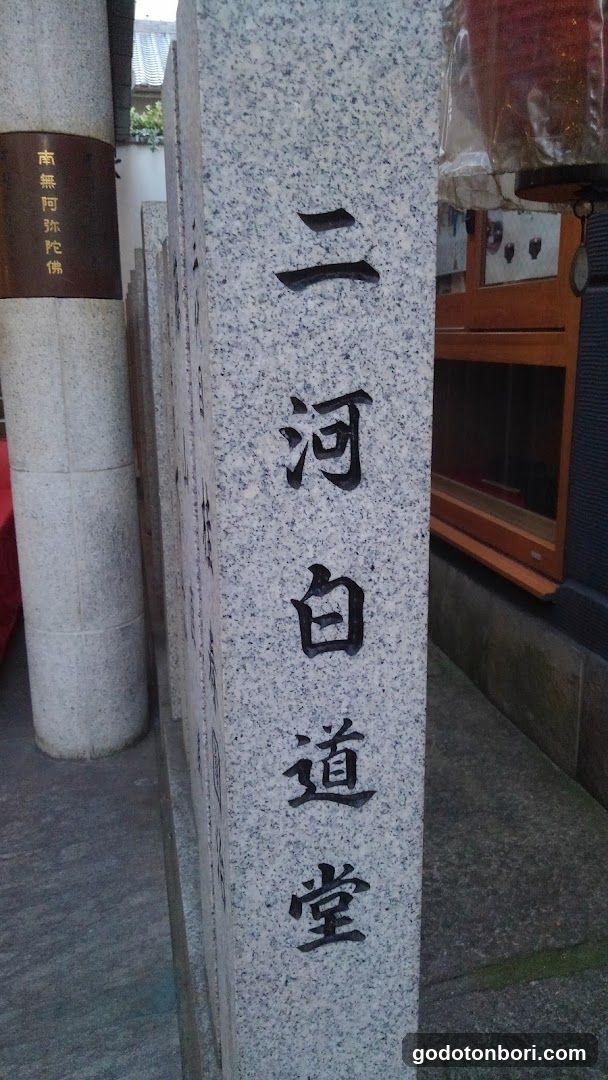
The Nikawa Hakudo-do, properly read Nigabyakudo-do, is a small hall within the precincts of Hozenji Temple in Namba, named after the "Two Rivers White Path" parable (Nigabyakudo) central to Pure Land Buddhist teaching. The parable, expounded by the Chinese monk Zendo (Shandao), describes a narrow white path running between a river of water, symbolising greed and attachment, and a river of fire, symbolising anger and hatred. Despite the dangers pressing in from both sides, a traveller who follows the voice of the Buddha calling "come" can safely cross the path to the Pure Land on the far shore. At Hozenji, this hall serves as a visual and spiritual reminder of the temple's Jodo-shu (Pure Land) heritage, alongside the more famous moss-covered Mizukake Fudo statue, the Konpira-do hall and the Osugi-no-Ogami shrine. The temple itself dates to 1637 and survived the 1945 Osaka air raids only in part, with its main hall lost but the water-splashed Fudo statue emerging intact and green with moss. The Nigabyakudo-do contributes to the layered, contemplative atmosphere of the temple grounds, where stone lanterns, cobblestones and the constant trickle of water invite visitors to linger. For those interested in the symbolism and doctrine behind Japanese Buddhist practice, a pause at the Nigabyakudo-do offers a quiet window into the teachings that have shaped Hozenji for nearly four centuries. It is a small but meaningful part of any visit to this enduring Namba landmark.
法善寺にある堂宇。浄土宗の信心を描いた「二河白道」のたとえにちなんで名付けられました。